The Siege of Krishnapur, by J.G. Farrell (my book). I read this book about 20 years ago, and was happy to see it again. It takes place during the Indian Mutiny in 1857. A group of British East India Company employees, English planters and businessmen, and their families, take refuge in the Company’s compound from mutinous Indian sepoys. They, and some Indian army pensioners, hold out during a months-long siege by endurance, courage and adaptation, and in spite of many foibles and weaknesses. I am about halfway through this book, although I have done some of my usual forward flipping through the rest of it. My favorite character is the Collector, the heroic head bureaucrat for the Company in Krishnapur. He is the only person who sees trouble brewing, and tries to warn the authorities, exciting much ridicule and scoffing from the British community. The author did extensive research into the Indian Mutiny and life under the British Raj in the 19th century, and read many personal accounts of those caught up in the Mutiny. The story’s tone and the characters’ thoughts and actions are realistic and compelling, the action and romance are thrilling, and the clashes between Church of England theology, Victorian ideals of progress, duelling medical standards and rejection of materialism make the story even better.
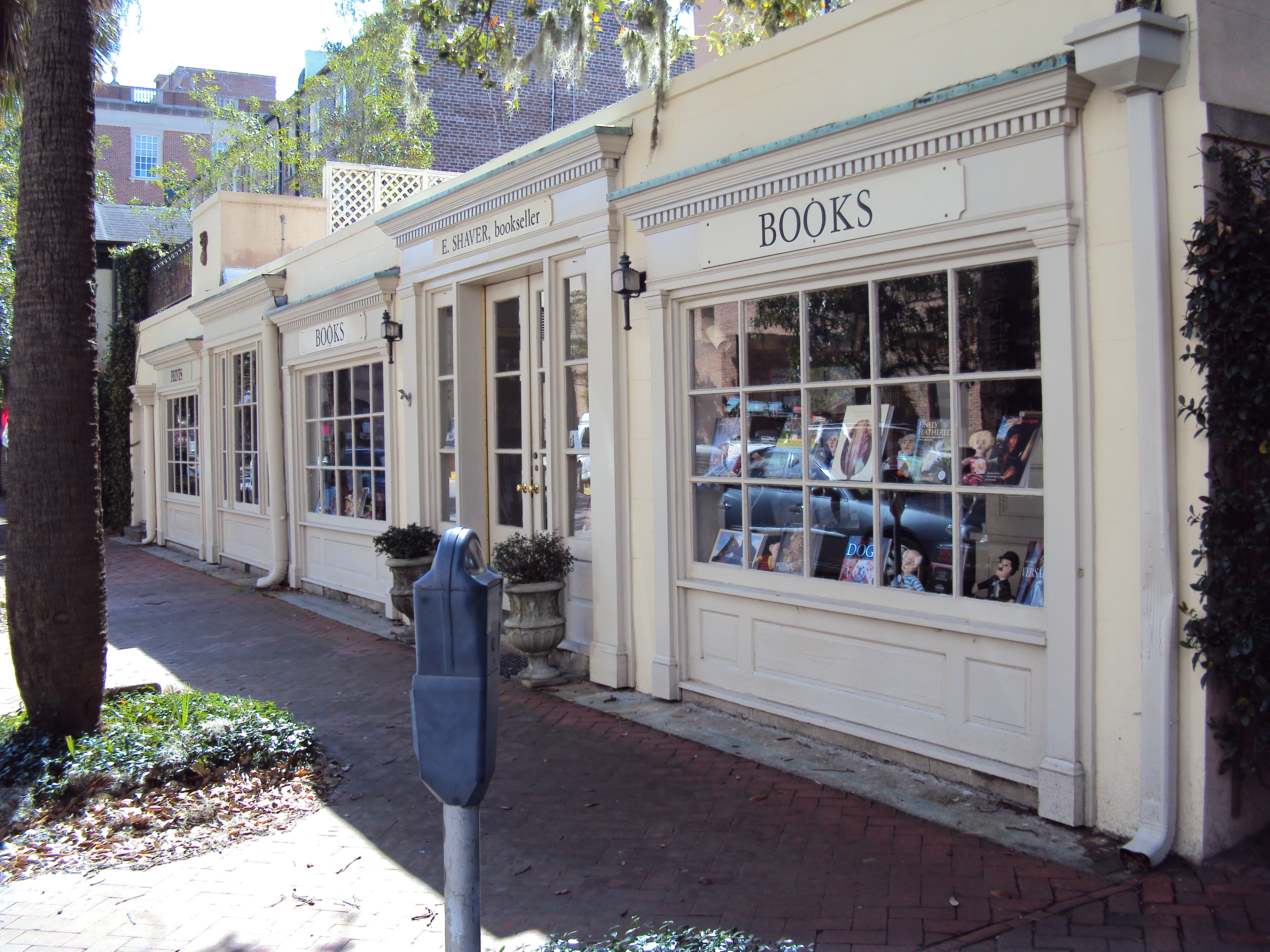
A Nation Rising, by Kenneth C. Davis (my book). I bought this in a moment of book lover’s bliss in a wonderful bookshop in Savannah. Kenneth C. Davis wrote Don’t Know Much About History: fast, lively chunks of history that are useful to know. This book seems more ambitious; the author has chosen little-known but, in his opinion, significant events in American history 1800 – 1850, and tries to relate them to concepts and events in contemporary America. I’ve read the first chapter, about Aaron Burr, and it was a very good historical account, with some important points about judicial developments in the early years of the Republic. However, the author’s attempts to tie these events to specific current events seem forced and don’t ring true, even though I am in sympathy with many of his ideas. I will finish the book for the history.
Boomerang: Travels in the New Third World, by Michael Lewis (Kindle). I saw this book in the wonderful bookshop, but decided to get some more information about it before buying. Michael Lewis has written well-known books like Moneyball, The Big Short, and The Blind Side. I have borrowed several of his books from the library, and could never get into them before it was time to take them back. Boomerang is a collection of five long articles Michael Lewis wrote for Vanity Fair, and Amazon was selling the eBook for $3.99. I decided to take a chance on it. The articles are about the causes and effects of the economic recession in Iceland, Greece, Ireland, Germany and California, and I’ve finished them all except California. Lewis has the clout to get interviews with important players in the downfall and rehabilitation efforts of the world economy. His observations about the countries and people he visited are pithy and funny, interesting and entertaining while maintaining a sense of objectivity. Useful for people who are still interested in trying to figure out how we got into this mess, and want some ideas on how we’re going to get out of it.
The Sheikh and the Dustbin and The Hollywood History of the World, by George McDonald Fraser (my books). I wrote a little about these books in a post below on a book I just finished, Flashman on the March.
Crime through Time III, edited by Sharan Newman (my book). This is a collection of mystery stories, always a great “need to read” fallback for me. This book was in storage; I can’t remember reading it and my copy looks pristine. Virtually a new book, yay.
In review, I notice that only one of my current books is actually book-length, requiring sustained reading effort. All the rest can be read in fits and starts. My attention span doesn’t seem to be getting much better.